The morning pattern is useful, but it is not a diagnosis
Plantar fasciitis commonly causes pain under the heel that is worst with the first steps after rest. The plantar fascia supports the arch and takes load during standing, walking, and running. Pain can ease as you move and return after prolonged activity. [1].
Heel pain can also come from a stress injury, nerve irritation, the heel fat pad, or another problem. A clinician may assess the location of tenderness, ankle and foot movement, strength, footwear, daily standing, and recent training changes. Imaging is usually used when the history is unusual or another cause is suspected, not simply because the heel hurts.
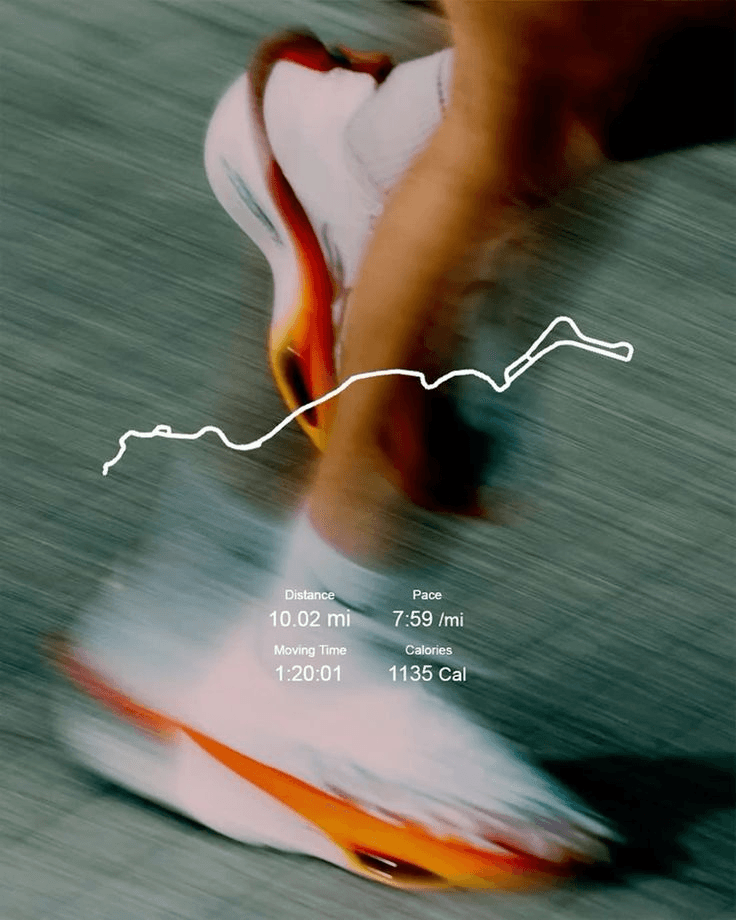
Count the load outside exercise
Bring a normal week to the appointment. Include work shifts, commuting, childcare, walking, running, court sport, and time spent barefoot. A plan that assumes you can stay off your feet may be impossible to follow.
Tell the PT when pain is worst, whether it is focal or spread across the heel, what shoes change it, and how the foot responds the next morning. A recent increase in running, standing, or walking may matter, but it does not prove the cause.
Treatment needs more than a product
The 2023 clinical practice guideline for heel pain supports plantar fascia-specific and calf stretching, foot taping for short-term relief, and resistance exercise for the foot and ankle. It advises against using orthoses as an isolated treatment, although orthoses may help when combined with other care. [2].
That distinction matters. Shoes, inserts, taping, and night splints may play a role, but buying a product is not the same as building the foot’s capacity. The program should explain what the product is meant to change, how long to trial it, and how you will judge whether it helped.
Exercise may include calf and foot strengthening, stretching, and a gradual return to the amount of walking or running you need. The exact dose should reflect irritability and function. If a session makes the next morning substantially worse, that information should change the plan rather than become something you ignore.
Return to running needs a daily-life baseline
Before adding running, consider how the heel handles ordinary walking and your required time on your feet. A return progression can then change one major variable at a time, such as run duration, frequency, speed, or hills.
There is no universal pain score or mileage increase that clears everyone. Ask your PT what response is acceptable during activity, what should happen by the next morning, and when to hold or reduce the dose.
Track only what will guide a decision: first-step pain, required standing or walking, exercise completed, running dose, and next-day response. If pain begins occurring at rest, becomes sharply focal over bone, or progressively worsens despite changes, get reassessed.
Improvement can be slow and still measurable
Heel pain may improve over months rather than days. AAOS notes that most people improve without surgery, but recovery can take several months. [1].
That does not mean repeating an unchanged program indefinitely. First-step pain, walking tolerance, calf strength, and the amount of work or training completed can show whether the approach is moving. Set a review date before beginning.
If the program is not helping, revisit the diagnosis, exercise dose, footwear strategy, and actual hours spent standing. Procedures require a separate discussion of benefits and risks. They should not become the automatic next step after one unsuccessful stretch routine.
How PT reduces risk
PT reduces the risk of spending months cycling through shoes, rollers, and rest without checking the diagnosis or rebuilding load tolerance. A therapist can connect the treatment to the hours you stand, the distances you run, and the response the next morning.
PT cannot promise a specific recovery date. It can set measurable steps and change the program when the foot is not responding as expected.
When to get medical care
Get prompt medical assessment for heel pain after a significant injury, inability to bear weight, marked redness or swelling, fever, numbness, or a wound in someone with diabetes or poor circulation. [3]. Persistent or unusual heel pain should be examined rather than assumed to be plantar fasciitis. Pain focused over bone, especially after a training increase or with ordinary walking, raises a different question and may require evaluation for a stress injury.
Sources: [1] AAOS: plantar fasciitis; [2] JOSPT heel pain clinical practice guideline; [3] MedlinePlus: foot pain.
Getting help with GoodMetal
The $99 PT plan includes one PT visit, 30 days of GoodMetal access, scheduling help, care coordination, and care-team messaging. The app includes a large library of guided workout videos so you can follow the work your clinician assigns.
Sports medicine physician visits through GoodMetal are available only in New York.
GoodMetal can help organize rehabilitation after assessment. It cannot determine from first-step pain alone that plantar fasciitis is the cause.
The first advantage is speed. PT is available across the US. After you pay, our team finds a provider and helps arrange your visit as soon as possible. We can usually schedule you within one or two weeks, depending on appointment availability.
During your 30-day access period, you can text the care team at any hour, including after a workout or on a weekend. The team follows your check-ins and can proactively change the plan as your symptoms, function, equipment, or schedule change. An immediate reply isn't guaranteed. For urgent symptoms, seek medical care directly.
Book a PT visit. $99. One PT visit plus 30 days of GoodMetal access. A single payment with no automatic renewal.
Book a sports medicine evaluation in New York. $150. Available only in New York. One sports medicine physician evaluation, paid in full. No automatic renewal.
These are cash prices for the visits described. Imaging, outside referrals, and additional appointments are separate. Scheduling help, care coordination, and care-team messaging are included with the $99 PT plan during its 30-day access period; the software trial doesn't include a clinical visit.
GoodMetal's recovery programs are built by licensed physical therapists. They designed the structure each plan follows: the exercises, the weekly sessions, and how the phases progress.
This guide is general information. Your clinician can assess your symptoms and recommend care for your situation.